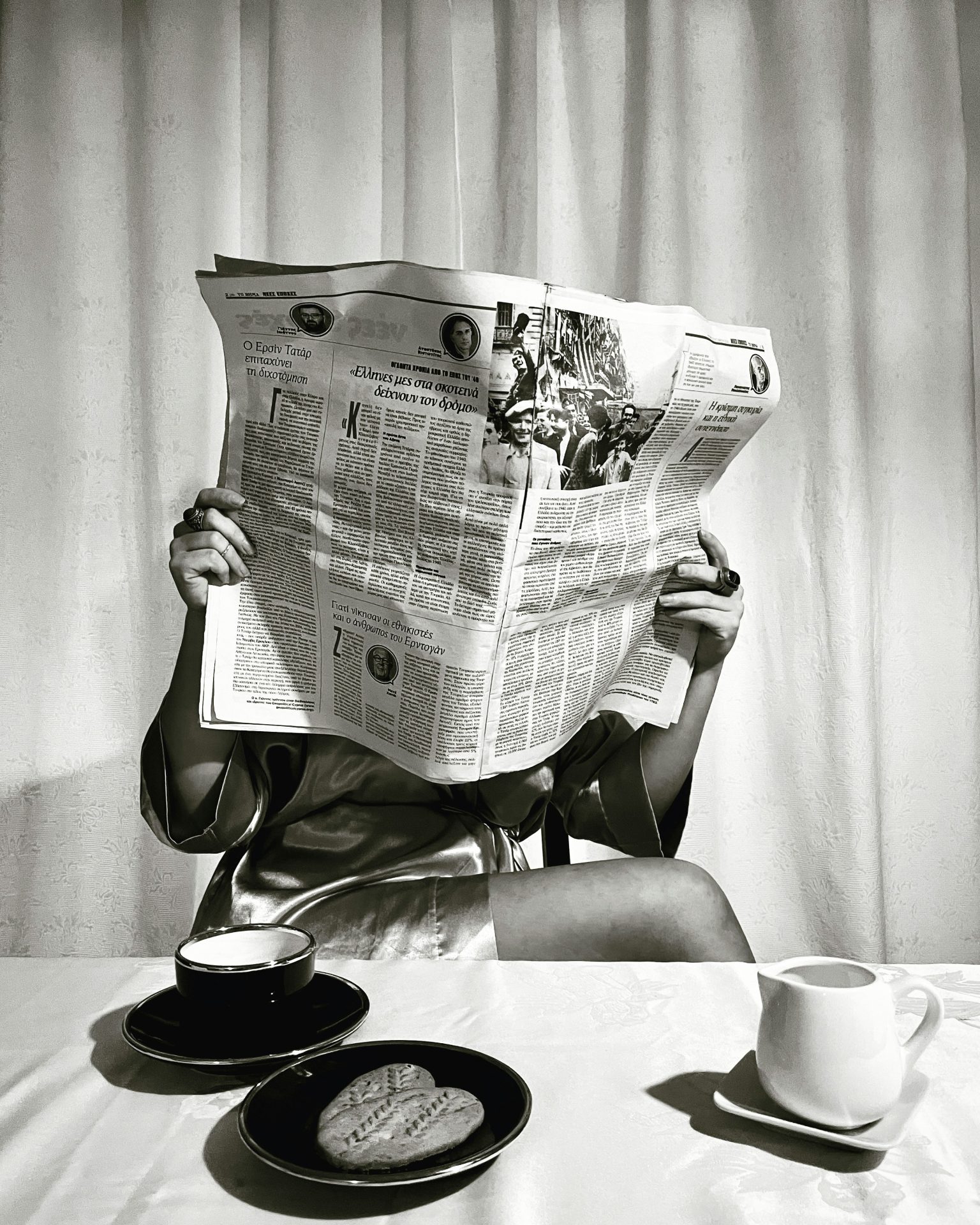
I used to be able to identify a newspaper from a corner ripped off the page.
The paper. The font. The colour. Sometimes, practically, the smell of it.
Twenty years ago, that was part of learning your craft in PR. You knew the titles. You knew the columns. You knew which journalist would cover what and, just as importantly, what they wouldn’t touch.
Fast forward to 2026 and the media landscape is almost unrecognisable.
For the first time, more people globally now use social and video networks for news than news organisations’ own websites and apps. 77% watch online news videos every week. More than a quarter get news from creators.
Then add AI into the mix, giving us the ability to research, interrogate and produce content at a speed we couldn’t have imagined.
Yet I think old-school media skills are more important today than they’ve ever been.
Because the fundamental question hasn’t changed.
Why would this person care?
Whether you’re approaching a national journalist, podcast producer, newsletter writer or creator, you need to understand what they cover, what their audience expects and what they’ve done recently.
That’s the craft.
And it’s something we work hard to protect at Splendid. Yes, that means the basics: regular media meetings and, crucially, actually talking to journalists. But we also run media reads where teams share what they’re seeing, spot opportunities in the news agenda and stress-test pitch approaches with each other before they ever reach an inbox.
Because knowing your media shouldn’t sit with one person. It needs to be part of the culture of a PR agency.
And that knowledge has to translate into confidence, confidence to tell a client when something will land, when it needs work and, sometimes, when it simply isn’t a story.
That’s where good media relations becomes good counsel.
It’s not about writing the release, sending it anyway and hoping for the best. It’s about using that collective knowledge of journalists, titles and audiences to make the work stronger before it ever reaches an inbox.
That can mean an uncomfortable conversation. And sometimes it’s not what a client wants to hear.
But if you’ve hired an agency for its media expertise, you also have to trust that expertise.
Because avoiding the difficult conversation at the beginning doesn’t change the outcome. It just moves the conversation to the campaign wrap-up, when the coverage isn’t there.
A good PR doesn’t say yes to everything.
A good PR knows their media, protects those relationships, understands what makes a story and has the confidence to push back when needed.
AI can make us faster. New platforms can give us more places to tell stories.
Neither replaces knowing your craft.