
As a Social Media Director, I’ve spent the last week listening, watching and thinking about the now definite social media ban.
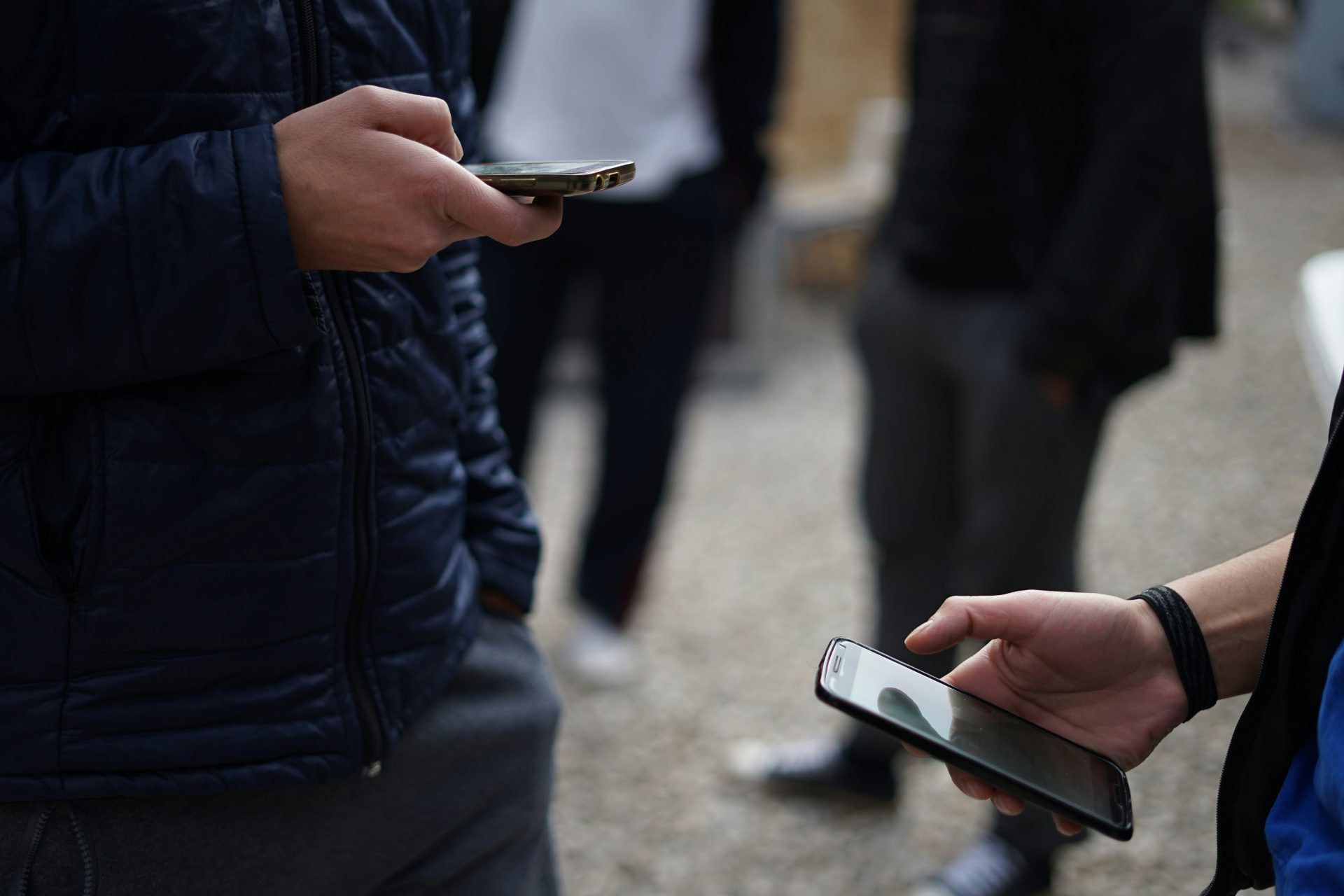
While I’m not a parent, I do have five godchildren who give me a pretty good real-time view of what this all actually looks like in practice. From an 8-year-old boy who disappears entirely into a Roblox hole given any chance, to 13-year-old girls already navigating the full social ecosystem from Snapchat to YouTube.
It’s fallen to me to help their parents make sense of it all. Because in theory, I understand this world better… that feels a bold claim for anyone – Social Director or otherwise – to make, to be honest.
So, what’s the ban and when’s it happening?
The UK government has announced plans to ban under-16s from accessing major social media platforms. We’re talking TikTok, Instagram, Snapchat, Facebook, YouTube and X. Messaging apps like WhatsApp aren’t expected to be included, and there are still big question marks around gaming platforms like Roblox – Sebastian is thrilled.
In terms of timing, the government is pushing for a vote by the end of this year, with a view to the ban coming into force in early 2027. The legal responsibility of removing them from platforms they may already use, will sit with tech companies, not parents.
There’s still a lot to iron out in terms of enforcement, age verification, and whether teenagers will simply find workarounds – let’s be clear they’re resourceful, these kids, and know better at 13 what VPNs than I do at 42.
But directionally, it’s clear: a ban is happening. And I think it’s a good thing.
What I’ve seen first-hand
I’ve watched how quickly things escalate and this is why I think a ban is a good idea.
A phone for safety. WhatsApp to stay in touch.
Then the group chats. I take full responsibility for introducing those – the Fairy Godmother Lifeline is alive and well and truly wholesome. Sadly, not all Year 7 group chats are.
But almost overnight they learn how to make impressively good edits of beauty hauls.
Then their first ‘true’ social platform. Auntie Jen had to redownload Snap to follow along.
Filters creep in and I now don’t think they recognise themselves without one.
Content gets sharper and the poses more grown up. At 42 I still look like a guppy when I pout but they have their’s nailed before becoming a teenager.
The algorithm kicks in and suddenly they’re consuming, and sharing, content that absolutely wasn’t designed for them. How have they even found it in the first place? Of course, I know the answer is it found them.
My support of a ban may come as a surprise
I work in this industry and have spent the last 15+ years shaping the social media landscape, merrily helping all this happen.
I’m not saying I don’t believe in social media. And I am not saying a government ban is the perfect solution.
In my opinion (rich, not being a mum and all) parents and kids should have mutual respect for each other to navigate a usage system that works for their family. But the reality is that even the smallest exposure to those platforms can be harmful for minors who can’t yet completely know their own mind.
I know for a fact these platforms, as they currently exist, are not built with children in mind. Algorithms aren’t age-sensitive, they are engagement sensitive, and those are two very different things.
If a ban helps preserve their innocence for a bit longer, and put more power into parents hands, I am all for it. No matter how unpopular that makes me with my god-girls.
What this means for brands
Emotion aside, this is where it gets interesting for me in work capacity. If under-16s disappear (or at least become harder to reach) on mainstream social platforms, brands are going to have to rethink how they engage younger audiences.
1. Influence moves upstream
If access is restricted at platform level, influence will happen earlier and through culture, communities and shared experiences. I’ve heard many crying out for a simultaneous investment into clubs and organisations and that’s highly unlikely to be government funded, so there’s an opportunity for brands to do good, honest grassroots work.
2. Content needs to work wider
If brands can’t rely on in platform direct targeting, content has to travel into the real world. That could look like shareability across age groups, generating conversation and consumption beyond platforms. What do you know – that’s earned communication which we do pretty well at Splendid.
3. Brand building > performance shortcuts
Perhaps frustratingly for brands, this isn’t going to be a quick win. They’re going to have to show up time and time again, building familiarity, positive associations and genuine affection. In the same way true friendships and loyalty are formed, it’s going to take time.
4. New spaces will emerge (fast)
I said earlier, they’re clever and history tells us where you close a door, young people find another to open. This could see the rise in smaller / newer platforms, gaming environments, creator-owned communities. How brands show up in those in an agile and authentic way will be really interesting. Fortune usually favours the brave, comfortable with less control in these instances.
Is it really the government’s responsibility?
It shouldn’t take legislation to create better digital environments for kids; I fully believe that responsibility ultimately sits with tech companies to create better moderation techniques, more transparent algorithms and design choices that prioritise wellbeing over watch time. Until the likes of Mark Zuckerberg and Elon Musk prioritise morals over money, this kind of intervention is both necessary and inevitable.
So what will kids actually do?
Hopeful that a ban will free up a fraction of their attention spans, some nostalgic suggestions I’ll be making for my Gen Alpha tribe.
1. Host a watch party. Watch a full film from start to finish. No second screening, no skipping. Fully commit
2. Go for a walk. Stand in a park barefoot. Climb a tree. Connect…but with nature
3. Meet IRL. Hang out at a bus stop down the road with your mates and talk, face to face. No typing required
4. Take pictures on a disposable camera. No filters or instant retakes. Wait at least 24 hours for them to be developed. Apparently there ARE still shops that do that for you
5. Play cards. Uno shouldn’t just be reserved for holidays
6. Get bored. I remember summer holidays stretching out for an eternity and it is amazing how creative you can get when you truly don’t know what to do with yourself
7. Keep a diary. Record your thoughts, photos, jokes and memories somewhere that isn’t owned by a tech company
8. Don’t just consume, create. Start a podcast, write a magazine, film your own sketch or music video
9. Start a challenge. Invent one with your mates to encourage fund raising for a local charity or school experience. No views, just real life benefits
I fully anticipate this won’t be the last time I write about this. Who knows what will happen between now and a ban? But brands will adapt and platforms will have to evolve. Watch this space.
